Blog

  • Untitled post 46

    Put your HTML text here


    Armenia – a Mythic Land Rooted in Antiquity

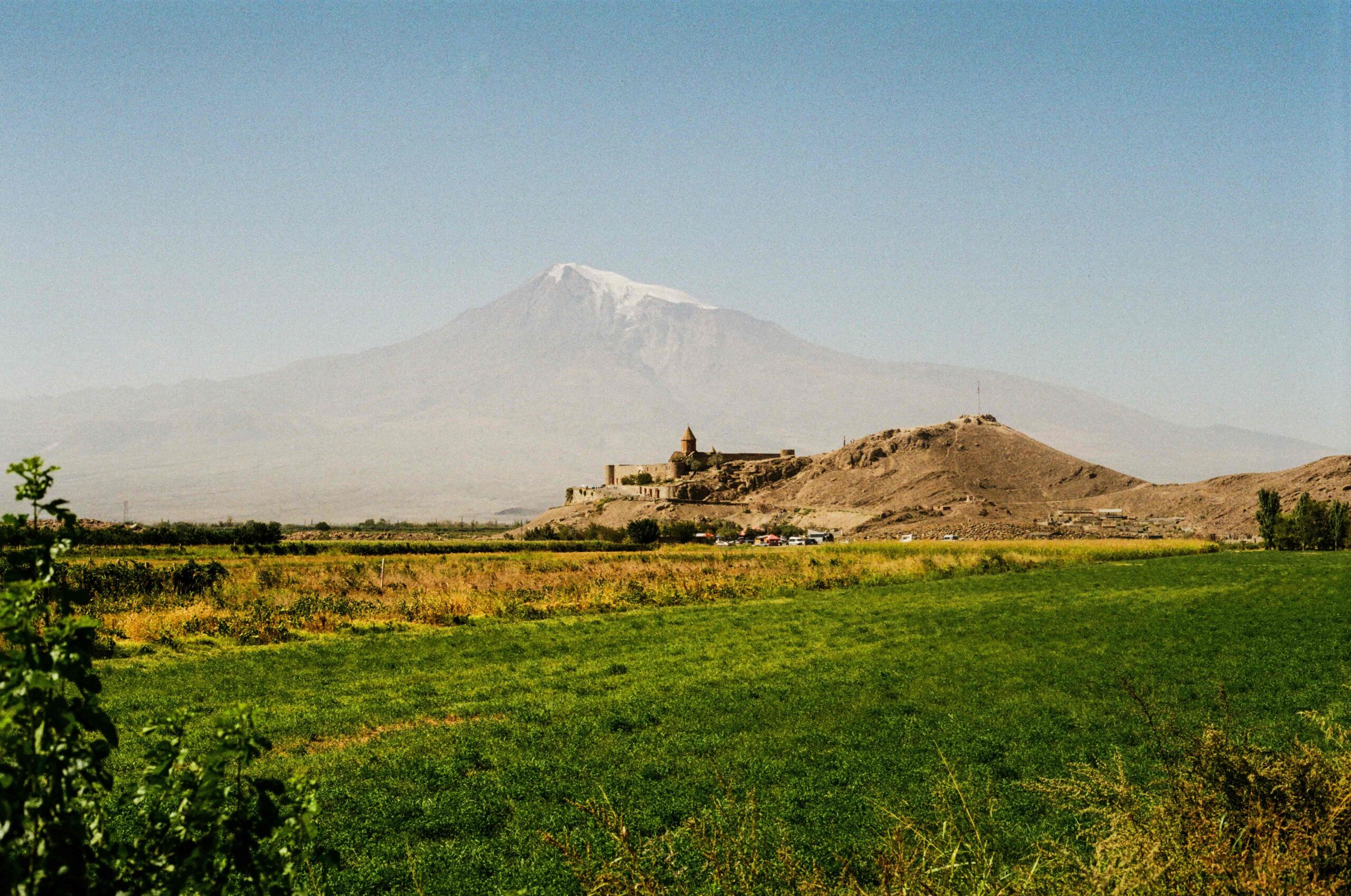
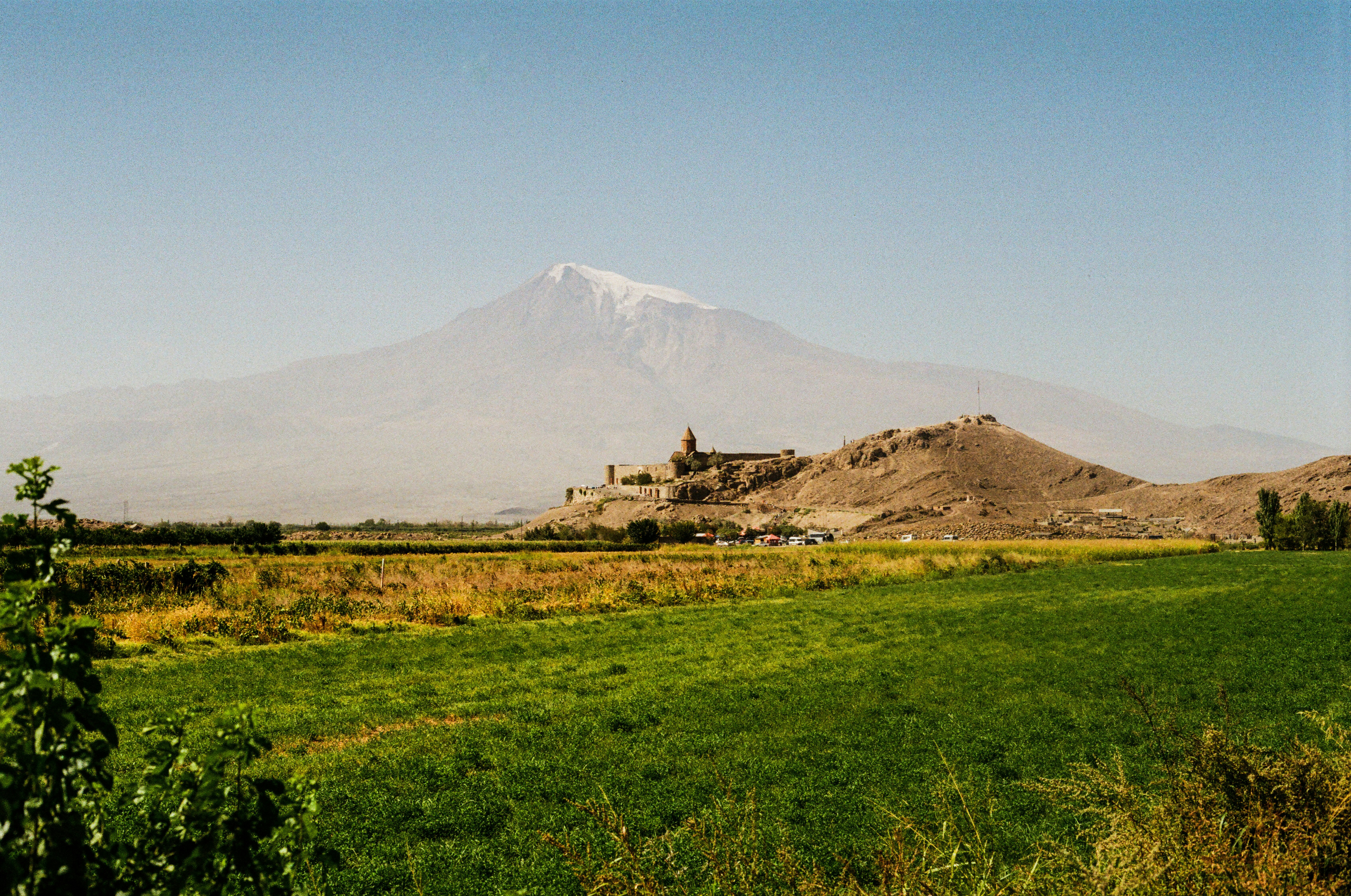
    Mount Ararat landscape

    Mount Ararat, long associated with myth, memory, and Armenian identity.

    Armenia – a Mythic Land Rooted in Antiquity

    A journey through the highlands where the echoes of Noah’s ark still resonate,
    and where ancient traditions thrive amidst the currents of modernity.
    Sjur Cappelen Papazian
    12 min read
    December 24, 2025

    Armenia is widely regarded as one of the world’s oldest cultural regions,
    with roots reaching back to the very beginnings of civilization. In the
    village of Areni in southern Armenia, archaeologists have uncovered some
    of the earliest known traces of human activity, including the world’s oldest
    known wine production facility, dated to around 4000 BCE.

    Today, Armenia is often associated with war, conflict, and genocide. Yet the
    country also holds a rich and layered history that offers valuable insight
    into how our civilization has developed and how the societies we live in
    today came into being.

    Growing up in Norway, I knew little of this. I carry an Armenian surname,
    but for a long time I regarded it as little more than a curiosity. I knew
    very little about my Armenian family history. They had lived in Constantinople,
    today known as Istanbul, before the Armenian Genocide of 1915.

    It was not until the war in Iraq in 2003, when I began trying to understand
    how the modern world had taken shape, that my interest in the region often
    referred to as the Fertile Crescent, or the cradle of civilization, truly
    awakened. With that, my interest in Armenia also grew.

    Ancient History

    Recent studies suggest that Armenians originate from what has traditionally
    been known as the Armenian Highlands. This region encompasses the most central
    and elevated of the three plateaus that together form the northern part of
    Southwest Asia. It lies between the Caucasus to the north, the Taurus Mountains
    to the west, the Zagros Mountains to the east, and Mesopotamia to the south.

    It was within this broader region that some of the world’s earliest megalithic
    structures were built. One notable example is Göbekli Tepe in present-day
    Turkey, which in Armenian tradition is also referred to as Portasar. The site
    is regarded as the oldest known megalithic temple in the world and is closely
    linked to the emergence of agriculture and animal domestication during the
    Neolithic Revolution.

    The historical origins of the Armenian state can be traced back to the Iron
    Age kingdom of Urartu, known in the Bible as Ararat and associated with the
    story of Noah’s Ark. Following its collapse in the sixth century BCE, the
    region gradually evolved into what became known as Armenia.

    The Armenian Kingdom existed as a sovereign monarchy from 331 BCE to 428 CE
    and reached its greatest extent under King Tigranes II. Armenia was also the
    first country in the world to adopt Christianity as a state religion,
    officially in the year 301 CE.

    Modern Armenia

    Throughout history, Armenia has existed at the crossroads of great empires.
    Once far larger than it is today, the country has been shaped by centuries
    of war, conquest, genocide, and displacement, resulting in the Armenia we
    recognize in the present.

    After becoming part of the Soviet Union, Armenia declared independence in
    1991. While much of the Armenian population lives in the diaspora, those
    within Armenia continued to develop their national and cultural identity
    throughout the Soviet period and beyond.

    The Armenian Genocide

    The memory of the Armenian Genocide plays a central role in Armenian identity.
    During the First World War, the Armenian people were systematically destroyed
    within the Ottoman Empire, along with much of their cultural and historical
    presence.

    Each year on April 24, Armenians gather at the Tsitsernakaberd Memorial in
    Yerevan to honor the victims. The act of remembrance remains a defining
    element of Armenian collective memory.

    Tourism

    Despite its turbulent past and ongoing regional tensions, Armenia today is
    a peaceful country with relatively low crime rates. Visitors are drawn to
    its rich cultural heritage, dramatic landscapes, and vibrant capital city.

    Most travelers begin their journey in Yerevan before venturing to destinations
    such as Tsaghkadzor, Jermuk, and Dilijan. For some, a visit coincides with
    April 24, adding a deeper historical and emotional dimension to their
    experience.


  • Armenia – a mythic land rooted in antiquity

    Armenia – a mythic land rooted in antiquity

    Mount Ararat landscape
    Mount Ararat, long associated with myth, memory, and Armenian identity.
    A journey through the highlands where the echoes of Noah’s ark still resonate, and where ancient traditions thrive amidst the currents of modernity.
    Sjur Cappelen Papazian
    12 min read
    December 24, 2025

    Armenia is widely regarded as one of the world’s oldest cultural regions, with roots reaching back to the very beginnings of civilization. In the village of Areni in southern Armenia, archaeologists have uncovered some of the earliest known traces of human activity, including the world’s oldest known wine production facility, dated to around 4000 BCE.

    Today, Armenia is often associated with war, conflict, and genocide. Yet the country also holds a rich and layered history that offers valuable insight into how our civilization has developed and how the societies we live in today came into being.

    Growing up in Norway, I knew little of this. I carry an Armenian surname, but for a long time I regarded it as little more than a curiosity. I knew very little about my Armenian family history. They had lived in Constantinople, today known as Istanbul, before the Armenian Genocide of 1915.

    It was not until the war in Iraq in 2003, when I began trying to understand how the modern world had taken shape, that my interest in the region often referred to as the Fertile Crescent, or the cradle of civilization, truly awakened. With that, my interest in Armenia also grew.

    Ancient History

    Recent studies suggest that Armenians originate from what has traditionally been known as the Armenian Highlands. This region encompasses the most central and elevated of the three plateaus that together form the northern part of Southwest Asia. It lies between the Caucasus to the north, the Taurus Mountains to the west, the Zagros Mountains to the east, and Mesopotamia to the south.

    It was within this broader region that some of the world’s earliest megalithic structures were built. One notable example is Göbekli Tepe in present-day Turkey, which in Armenian tradition is also referred to as Portasar. The site is regarded as the oldest known megalithic temple in the world and is closely linked to the emergence of agriculture and animal domestication during the Neolithic Revolution.

    The historical origins of the Armenian state can be traced back to the Iron Age kingdom of Urartu, known in the Bible as Ararat and associated with the story of Noah’s Ark. Following its collapse in the sixth century BCE, the region gradually evolved into what became known as Armenia.

    The Armenian Kingdom existed as a sovereign monarchy from 331 BCE to 428 CE and reached its greatest extent under King Tigranes II. Armenia was also the first country in the world to adopt Christianity as a state religion, officially in the year 301 CE.

    Modern Armenia

    Throughout history, Armenia has existed at the crossroads of great empires. Once far larger than it is today, the country has been shaped by centuries of war, conquest, genocide, and displacement, resulting in the Armenia we recognize in the present.

    After becoming part of the Soviet Union, Armenia declared independence in 1991. While much of the Armenian population lives in the diaspora, those within Armenia continued to develop their national and cultural identity throughout the Soviet period and beyond.

    The Armenian Genocide

    The memory of the Armenian Genocide plays a central role in Armenian identity. During the First World War, the Armenian people were systematically destroyed within the Ottoman Empire, along with much of their cultural and historical presence.

    Each year on April 24, Armenians gather at the Tsitsernakaberd Memorial in Yerevan to honor the victims. The act of remembrance remains a defining element of Armenian collective memory.

    Tourism

    Despite its turbulent past and ongoing regional tensions, Armenia today is a peaceful country with relatively low crime rates. Visitors are drawn to its rich cultural heritage, dramatic landscapes, and vibrant capital city.

    Most travelers begin their journey in Yerevan before venturing to destinations such as Tsaghkadzor, Jermuk, and Dilijan. For some, a visit coincides with April 24, adding a deeper historical and emotional dimension to their experience.

  • Armenia – a Mythic Land Rooted in Antiquity

    A journey through the highlands where the echoes of Noah’s ark still resonate,
    and where ancient traditions thrive amidst the currents of modernity.

    Sjur Cappelen Papazian

    12 min read · December 24, 2025

    Mount Ararat with Khor Virap monastery in the foreground
    Mount Ararat, long associated with myth, memory, and Armenian identity.

    Armenia is widely regarded as one of the world’s oldest cultural regions,
    with roots reaching back to the very beginnings of civilization. In the
    village of Areni in southern Armenia, archaeologists have uncovered some
    of the earliest known traces of human activity, including the world’s
    oldest known wine production facility, dated to around 4000 BCE.

    Today, Armenia is often associated with war, conflict, and genocide. Yet
    the country also holds a rich and layered history that offers valuable
    insight into how our civilization has developed and how the societies we
    live in today came into being.

    Growing up in Norway, I knew little of this. I carry an Armenian surname,
    but for a long time I regarded it as little more than a curiosity. I knew
    very little about my Armenian family history. They had lived in
    Constantinople, today known as Istanbul, before the Armenian Genocide of 1915.

    It was not until the war in Iraq in 2003, when I began trying to understand
    how the modern world had taken shape, that my interest in the region often
    referred to as the Fertile Crescent, or the cradle of civilization, truly
    awakened. With that, my interest in Armenia also grew.

    Ancient History

    Recent studies suggest that Armenians originate from what has traditionally
    been known as the Armenian Highlands. This region encompasses the most
    central and elevated of the three plateaus that together form the northern
    part of Southwest Asia. It lies between the Caucasus to the north, the
    Taurus Mountains to the west, the Zagros Mountains to the east, and
    Mesopotamia to the south.

    It was within this broader region that some of the world’s earliest
    megalithic structures were built. One notable example is Göbekli Tepe in
    present-day Turkey, which in Armenian tradition is also referred to as
    Portasar. The site is regarded as the oldest known megalithic temple in
    the world and is closely linked to the emergence of agriculture and animal
    domestication during the Neolithic Revolution.

    The historical origins of the Armenian state can be traced back to the
    Iron Age kingdom of Urartu, known in the Bible as Ararat and associated
    with the story of Noah’s Ark. Following its collapse in the sixth century
    BCE, the region gradually evolved into what became known as Armenia.

    The Armenian Kingdom existed as a sovereign monarchy from 331 BCE to
    428 CE and reached its greatest extent under King Tigranes II. Armenia
    was also the first country in the world to adopt Christianity as a state
    religion, officially in the year 301 CE.

    Modern Armenia

    Throughout history, Armenia has existed at the crossroads of great empires.
    Once far larger than it is today, the country has been shaped by centuries
    of war, conquest, genocide, and displacement, resulting in the Armenia we
    recognize in the present.

    After becoming part of the Soviet Union, Armenia declared independence in
    1991. While much of the Armenian population lives in the diaspora, those
    within Armenia continued to develop their national and cultural identity
    throughout the Soviet period and beyond.

    The Armenian Genocide

    The memory of the Armenian Genocide plays a central role in Armenian
    identity. During the First World War, the Armenian people were
    systematically destroyed within the Ottoman Empire, along with much of
    their cultural and historical presence.

    Each year on April 24, Armenians gather at the Tsitsernakaberd Memorial
    in Yerevan to honor the victims. The act of remembrance remains a
    defining element of Armenian collective memory.

    Tourism

    Despite its turbulent past and ongoing regional tensions, Armenia today
    is a peaceful country with relatively low crime rates. Visitors are drawn
    to its rich cultural heritage, dramatic landscapes, and vibrant capital
    city.

    Most travelers begin their journey in Yerevan before venturing to
    destinations such as Tsaghkadzor, Jermuk, and Dilijan. For some, a visit
    coincides with April 24, adding a deeper historical and emotional
    dimension to their experience.

  • Armenia – a Mythic Land Rooted in Antiquity

    A journey through the highlands where the echoes of Noah’s ark still resonate,
    and where ancient traditions thrive amidst the currents of modernity.

    Sjur Cappelen Papazian

    12 min read · December 24, 2025

    Mount Ararat with Khor Virap monastery in the foreground
    Mount Ararat, long associated with myth, memory, and Armenian identity.

    Armenia is widely regarded as one of the world’s oldest cultural regions,
    with roots reaching back to the very beginnings of civilization. In the
    village of Areni in southern Armenia, archaeologists have uncovered some
    of the earliest known traces of human activity, including the world’s
    oldest known wine production facility, dated to around 4000 BCE.

    Today, Armenia is often associated with war, conflict, and genocide. Yet
    the country also holds a rich and layered history that offers valuable
    insight into how our civilization has developed and how the societies we
    live in today came into being.

    Growing up in Norway, I knew little of this. I carry an Armenian surname,
    but for a long time I regarded it as little more than a curiosity. I knew
    very little about my Armenian family history. They had lived in
    Constantinople, today known as Istanbul, before the Armenian Genocide of 1915.

    It was not until the war in Iraq in 2003, when I began trying to understand
    how the modern world had taken shape, that my interest in the region often
    referred to as the Fertile Crescent, or the cradle of civilization, truly
    awakened. With that, my interest in Armenia also grew.

    Ancient History

    Recent studies suggest that Armenians originate from what has traditionally
    been known as the Armenian Highlands. This region encompasses the most
    central and elevated of the three plateaus that together form the northern
    part of Southwest Asia. It lies between the Caucasus to the north, the
    Taurus Mountains to the west, the Zagros Mountains to the east, and
    Mesopotamia to the south.

    It was within this broader region that some of the world’s earliest
    megalithic structures were built. One notable example is Göbekli Tepe in
    present-day Turkey, which in Armenian tradition is also referred to as
    Portasar. The site is regarded as the oldest known megalithic temple in
    the world and is closely linked to the emergence of agriculture and animal
    domestication during the Neolithic Revolution.

    The historical origins of the Armenian state can be traced back to the
    Iron Age kingdom of Urartu, known in the Bible as Ararat and associated
    with the story of Noah’s Ark. Following its collapse in the sixth century
    BCE, the region gradually evolved into what became known as Armenia.

    The Armenian Kingdom existed as a sovereign monarchy from 331 BCE to
    428 CE and reached its greatest extent under King Tigranes II. Armenia
    was also the first country in the world to adopt Christianity as a state
    religion, officially in the year 301 CE.

    Modern Armenia

    Throughout history, Armenia has existed at the crossroads of great empires.
    Once far larger than it is today, the country has been shaped by centuries
    of war, conquest, genocide, and displacement, resulting in the Armenia we
    recognize in the present.

    After becoming part of the Soviet Union, Armenia declared independence in
    1991. While much of the Armenian population lives in the diaspora, those
    within Armenia continued to develop their national and cultural identity
    throughout the Soviet period and beyond.

    The Armenian Genocide

    The memory of the Armenian Genocide plays a central role in Armenian
    identity. During the First World War, the Armenian people were
    systematically destroyed within the Ottoman Empire, along with much of
    their cultural and historical presence.

    Each year on April 24, Armenians gather at the Tsitsernakaberd Memorial
    in Yerevan to honor the victims. The act of remembrance remains a
    defining element of Armenian collective memory.

    Tourism

    Despite its turbulent past and ongoing regional tensions, Armenia today
    is a peaceful country with relatively low crime rates. Visitors are drawn
    to its rich cultural heritage, dramatic landscapes, and vibrant capital
    city.

    Most travelers begin their journey in Yerevan before venturing to
    destinations such as Tsaghkadzor, Jermuk, and Dilijan. For some, a visit
    coincides with April 24, adding a deeper historical and emotional
    dimension to their experience.
  • Armenia – a Mythic Land Rooted in Antiquity

    A journey through the highlands where the echoes of Noah’s ark still resonate,
    and where ancient traditions thrive amidst the currents of modernity.

    Sjur Cappelen Papazian

    12 min read · December 24, 2025

    Mount Ararat with Khor Virap monastery in the foreground
    Mount Ararat, long associated with myth, memory, and Armenian identity.

    Armenia is widely regarded as one of the world’s oldest cultural regions,
    with roots reaching back to the very beginnings of civilization. In the
    village of Areni in southern Armenia, archaeologists have uncovered some
    of the earliest known traces of human activity, including the world’s
    oldest known wine production facility, dated to around 4000 BCE.

    Today, Armenia is often associated with war, conflict, and genocide. Yet
    the country also holds a rich and layered history that offers valuable
    insight into how our civilization has developed and how the societies we
    live in today came into being.

    Growing up in Norway, I knew little of this. I carry an Armenian surname,
    but for a long time I regarded it as little more than a curiosity. I knew
    very little about my Armenian family history. They had lived in
    Constantinople, today known as Istanbul, before the Armenian Genocide of 1915.

    It was not until the war in Iraq in 2003, when I began trying to understand
    how the modern world had taken shape, that my interest in the region often
    referred to as the Fertile Crescent, or the cradle of civilization, truly
    awakened. With that, my interest in Armenia also grew.

    Ancient History

    Recent studies suggest that Armenians originate from what has traditionally
    been known as the Armenian Highlands. This region encompasses the most
    central and elevated of the three plateaus that together form the northern
    part of Southwest Asia. It lies between the Caucasus to the north, the
    Taurus Mountains to the west, the Zagros Mountains to the east, and
    Mesopotamia to the south.

    It was within this broader region that some of the world’s earliest
    megalithic structures were built. One notable example is Göbekli Tepe in
    present-day Turkey, which in Armenian tradition is also referred to as
    Portasar. The site is regarded as the oldest known megalithic temple in
    the world and is closely linked to the emergence of agriculture and animal
    domestication during the Neolithic Revolution.

    The historical origins of the Armenian state can be traced back to the
    Iron Age kingdom of Urartu, known in the Bible as Ararat and associated
    with the story of Noah’s Ark. Following its collapse in the sixth century
    BCE, the region gradually evolved into what became known as Armenia.

    The Armenian Kingdom existed as a sovereign monarchy from 331 BCE to
    428 CE and reached its greatest extent under King Tigranes II. Armenia
    was also the first country in the world to adopt Christianity as a state
    religion, officially in the year 301 CE.

    Modern Armenia

    Throughout history, Armenia has existed at the crossroads of great empires.
    Once far larger than it is today, the country has been shaped by centuries
    of war, conquest, genocide, and displacement, resulting in the Armenia we
    recognize in the present.

    After becoming part of the Soviet Union, Armenia declared independence in
    1991. While much of the Armenian population lives in the diaspora, those
    within Armenia continued to develop their national and cultural identity
    throughout the Soviet period and beyond.

    The Armenian Genocide

    The memory of the Armenian Genocide plays a central role in Armenian
    identity. During the First World War, the Armenian people were
    systematically destroyed within the Ottoman Empire, along with much of
    their cultural and historical presence.

    Each year on April 24, Armenians gather at the Tsitsernakaberd Memorial
    in Yerevan to honor the victims. The act of remembrance remains a
    defining element of Armenian collective memory.

    Tourism

    Despite its turbulent past and ongoing regional tensions, Armenia today
    is a peaceful country with relatively low crime rates. Visitors are drawn
    to its rich cultural heritage, dramatic landscapes, and vibrant capital
    city.

    Most travelers begin their journey in Yerevan before venturing to
    destinations such as Tsaghkadzor, Jermuk, and Dilijan. For some, a visit
    coincides with April 24, adding a deeper historical and emotional
    dimension to their experience.

  • Armenia – a Mythic Land Rooted in Antiquity

    A journey through the highlands where the echoes of Noah’s ark still resonate,
    and where ancient traditions thrive amidst the currents of modernity.

    Sjur Cappelen Papazian


    Mount Ararat with Khor Virap monastery in the foreground
    Mount Ararat, long associated with myth, memory, and Armenian identity.

    Armenia is widely regarded as one of the world’s oldest cultural regions,
    with roots reaching back to the very beginnings of civilization. In the
    village of Areni in southern Armenia, archaeologists have uncovered some
    of the earliest known traces of human activity, including the world’s
    oldest known wine production facility, dated to around 4000 BCE.

    Today, Armenia is often associated with war, conflict, and genocide. Yet
    the country also holds a rich and layered history that offers valuable
    insight into how our civilization has developed and how the societies we
    live in today came into being.

    Growing up in Norway, I knew little of this. I carry an Armenian surname,
    but for a long time I regarded it as little more than a curiosity. I knew
    very little about my Armenian family history. They had lived in
    Constantinople, today known as Istanbul, before the Armenian Genocide of
    1915.

    It was not until the war in Iraq in 2003, when I began trying to understand
    how the modern world had taken shape, that my interest in the region often
    referred to as the Fertile Crescent, or the cradle of civilization,
    truly awakened. With that, my interest in Armenia also grew.

    Ancient History

    Recent studies suggest that Armenians originate from what has traditionally
    been known as the Armenian Highlands. This region encompasses the most
    central and elevated of the three plateaus that together form the northern
    part of Southwest Asia. It lies between the Caucasus to the north, the
    Taurus Mountains to the west, the Zagros Mountains to the east, and
    Mesopotamia to the south.

    It was within this broader region that some of the world’s earliest
    megalithic structures were built. One notable example is Göbekli Tepe in
    present-day Turkey, which in Armenian tradition is also referred to as
    Portasar. The site is regarded as the oldest known megalithic temple in
    the world and is closely linked to the emergence of agriculture and animal
    domestication during the Neolithic Revolution.

    The historical origins of the Armenian state can be traced back to the
    Iron Age kingdom of Urartu, known in the Bible as Ararat and associated
    with the story of Noah’s Ark. Following its collapse in the sixth century
    BCE, the region gradually evolved into what became known as Armenia.

    The Armenian Kingdom existed as a sovereign monarchy from 331 BCE to
    428 CE and reached its greatest extent under King Tigranes II. Armenia was
    also the first country in the world to adopt Christianity as a state
    religion, officially in the year 301 CE.

    Modern Armenia

    Throughout history, Armenia has existed at the crossroads of great empires.
    Once far larger than it is today, the country has been shaped by centuries
    of war, conquest, genocide, and displacement, resulting in the Armenia
    we recognize in the present.

    After becoming part of the Soviet Union, Armenia declared independence in
    1991. While much of the Armenian population lives in the diaspora, those
    within Armenia continued to develop their national and cultural identity
    throughout the Soviet period and beyond.

    The Armenian Genocide

    The memory of the Armenian Genocide plays a central role in Armenian
    identity. During the First World War, the Armenian people were
    systematically destroyed within the Ottoman Empire, along with much of
    their cultural and historical presence.

    Each year on April 24, Armenians gather at the Tsitsernakaberd Memorial
    in Yerevan to honor the victims. The act of remembrance remains a
    defining element of Armenian collective memory.

    Tourism

    Despite its turbulent past and ongoing regional tensions, Armenia today
    is a peaceful country with relatively low crime rates. Visitors are drawn
    to its rich cultural heritage, dramatic landscapes, and vibrant capital
    city.

    Most travelers begin their journey in Yerevan before venturing to
    destinations such as Tsaghkadzor, Jermuk, and Dilijan. For some, a visit
    coincides with April 24, adding a deeper historical and emotional
    dimension to their experience.

  • <h1>Armenia – a Mythic Land Rooted in Antiquity</h1>
    
    <p><em>A journey through the highlands where the echoes of Noah’s ark still resonate, and where ancient traditions thrive amidst the currents of modernity.</em></p>
    
    <p><strong>Sjur Cappelen Papazian</strong><br>
    12 min read<br>
    December 24, 2025</p>
    
    <figure>
        <img src="https://images.unsplash.com/photo-1694433569130-717ffa3302c4" alt="Mount Ararat with Khor Virap monastery in the foreground">
        <figcaption>Mount Ararat, long associated with myth, memory, and Armenian identity.</figcaption>
    </figure>
    
    <p>
    Armenia is widely regarded as one of the world’s oldest cultural regions, with roots reaching back to the very beginnings of civilization. In the village of Areni in southern Armenia, archaeologists have uncovered some of the earliest known traces of human activity, including the world’s oldest known wine production facility, dated to around 4000 BCE.
    </p>
    
    <p>
    Today, Armenia is often associated with war, conflict, and genocide. Yet the country also holds a rich and layered history that offers valuable insight into how our civilization has developed and how the societies we live in today came into being.
    </p>
    
    <p>
    Growing up in Norway, I knew little of this. I carry an Armenian surname, but for a long time I regarded it as little more than a curiosity. I knew very little about my Armenian family history. They had lived in Constantinople, today known as Istanbul, before the Armenian Genocide of 1915.
    </p>
    
    <p>
    It was not until the war in Iraq in 2003, when I began trying to understand how the modern world had taken shape, that my interest in the region often referred to as the Fertile Crescent, or the cradle of civilization, truly awakened. With that, my interest in Armenia also grew.
    </p>
    
    <h2>Ancient History</h2>
    
    <p>
    Recent studies suggest that Armenians originate from what has traditionally been known as the Armenian Highlands. This region encompasses the most central and elevated of the three plateaus that together form the northern part of Southwest Asia. It lies between the Caucasus to the north, the Taurus Mountains to the west, the Zagros Mountains to the east, and Mesopotamia to the south.
    </p>
    
    <p>
    It was within this broader region that some of the world’s earliest megalithic structures were built. One notable example is Göbekli Tepe in present-day Turkey, which in Armenian tradition is also referred to as Portasar. The site is regarded as the oldest known megalithic temple in the world and is closely linked to the emergence of agriculture and animal domestication during the Neolithic Revolution.
    </p>
    
    <p>
    The historical origins of the Armenian state can be traced back to the Iron Age kingdom of Urartu, known in the Bible as Ararat and associated with the story of Noah’s Ark. Following its collapse in the sixth century BCE, the region gradually evolved into what became known as Armenia.
    </p>
    
    <p>
    The Armenian Kingdom existed as a sovereign monarchy from 331 BCE to 428 CE and reached its greatest extent under King Tigranes II. Armenia was also the first country in the world to adopt Christianity as a state religion, officially in the year 301 CE.
    </p>
    
    <h2>Modern Armenia</h2>
    
    <p>
    Throughout history, Armenia has existed at the crossroads of great empires. Once far larger than it is today, the country has been shaped by centuries of war, conquest, genocide, and displacement, resulting in the Armenia we recognize in the present.
    </p>
    
    <p>
    After becoming part of the Soviet Union, Armenia declared independence in 1991. While much of the Armenian population lives in the diaspora, those within Armenia continued to develop their national and cultural identity throughout the Soviet period and beyond.
    </p>
    
    <h2>The Armenian Genocide</h2>
    
    <p>
    The memory of the Armenian Genocide plays a central role in Armenian identity. During the First World War, the Armenian people were systematically destroyed within the Ottoman Empire, along with much of their cultural and historical presence.
    </p>
    
    <p>
    Each year on April 24, Armenians gather at the Tsitsernakaberd Memorial in Yerevan to honor the victims. The act of remembrance remains a defining element of Armenian collective memory.
    </p>
    
    <h2>Tourism</h2>
    
    <p>
    Despite its turbulent past and ongoing regional tensions, Armenia today is a peaceful country with relatively low crime rates. Visitors are drawn to its rich cultural heritage, dramatic landscapes, and vibrant capital city.
    </p>
    
    <p>
    Most travelers begin their journey in Yerevan before venturing to destinations such as Tsaghkadzor, Jermuk, and Dilijan. For some, a visit coincides with April 24, adding a deeper historical and emotional dimension to their experience.
    </p>
    
  • alkuebgoiuw

    Picture of a flower

    New arrivals

    Like flowers that bloom in unexpected places, every story unfolds with beauty and resilience, revealing hidden wonders.

    Visit us at 123 Example St. Manhattan, NY 10300, United States

    Get directions

    The business location